




AI Marketing Tools That Actually Work (Tested List)
AI marketing tools are everywhere right now.
Every week, a new platform claims it can automate your content, grow your traffic, write better ads, improve SEO, or increase conversions overnight.
Honestly, after testing dozens of these tools myself, I learned something important:
Most AI marketing tools are overhyped.
Some produce generic content. Some are too expensive. Others promise automation but actually create more work.
But a few tools genuinely save time and improve marketing performance when used properly.
Over the last year, I tested AI tools across multiple websites, affiliate blogs, content projects, and small marketing campaigns. Some tools helped improve workflow dramatically, while others felt like flashy demos with little practical value.
In this guide, I’ll share the AI marketing tools that actually worked for me in real-world use cases.
I’ll cover tools for:
- SEO
- Content writing
- Email marketing
- Social media
- AI image creation
- Automation
- Video marketing
- Analytics
- Copywriting
If you want practical AI tools instead of marketing hype, this list should help.

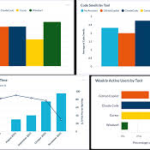
[Image: AI marketing tools dashboard overview]
Title: AI Marketing Tools Dashboard
Alt Text: AI marketing tools used for SEO content creation and digital marketing automation
Description: This image shows multiple AI marketing platforms used for content creation, SEO optimization, and business automation.
Why AI Marketing Tools Became So Popular
Marketing has become extremely competitive.
Whether you run:
- A blog
- An eCommerce store
- A YouTube channel
- A local business
- An affiliate website
You are constantly competing for attention.
That means creating:
- More content
- Better SEO
- Faster campaigns
- Higher-quality visuals
- More engaging emails
Doing all this manually takes a huge amount of time.
That is where AI tools help most.
From my experience, the biggest advantage of AI is not replacing marketers.
It is speeding up repetitive tasks.
The best AI tools help with:
- Research
- Draft generation
- Content optimization
- Workflow automation
- Data analysis
They work best when combined with human creativity and strategy.
1. Surfer SEO – Best AI SEO Optimization Tool
Surfer SEO is one of the few AI SEO tools I consistently use.
I tested it on several niche websites and noticed it genuinely improved article structure and topical coverage.
The tool analyzes top-ranking pages and gives optimization recommendations for:
- Keywords
- Headings
- Content depth
- NLP terms
- Internal structure
What I liked most was the Content Editor.
It makes SEO optimization much faster compared to manual competitor analysis.
Best Features
- AI SEO scoring
- NLP keyword suggestions
- SERP analysis
- Content optimization
- Content audits
What I Didn’t Like
The pricing is expensive for beginners.
Also, some writers become obsessed with optimization scores instead of readability.
My Experience
One article I optimized with Surfer moved from page 3 to page 1 after improving topical relevance and structure.
It was not magic — but the optimization definitely helped.
[Image: Surfer SEO content optimization editor]
Title: Surfer SEO AI Optimization Tool
Alt Text: Surfer SEO dashboard showing AI-powered content optimization features
Description: This image displays Surfer SEO’s optimization editor used to improve article structure and search engine relevance.
2. Frase.io – Best AI Research Tool for Bloggers
Frase became one of my favorite content research tools surprisingly quickly.
Instead of spending hours analyzing competitors manually, Frase summarizes SERP data automatically.
It helps with:
- Content briefs
- FAQ generation
- Search intent analysis
- Topic research
- AI writing assistance
From my experience, this tool dramatically speeds up article planning.
Best Features
- AI content briefs
- SERP summaries
- Question research
- Fast workflow
- Beginner-friendly dashboard
Biggest Weakness
AI-generated content still needs editing.
Some paragraphs sound generic if published without human improvement.
My Experience
Frase helped reduce my article research time by nearly 60%.
That productivity boost alone made it worth using.
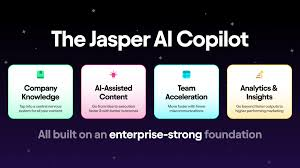
3. Jasper AI – Best AI Copywriting Tool
Jasper AI focuses heavily on marketing copy generation.
I tested it for:
- Ad copy
- Product descriptions
- Email marketing
- Landing pages
- Social captions
The templates work surprisingly well for short-form marketing content.
Long-form articles still need heavy editing, but Jasper is excellent for quick marketing assets.
Best Features
- Marketing templates
- AI copywriting
- Brand voice support
- Fast generation speed
- Team collaboration
Weaknesses
Pricing becomes expensive quickly.
Also, long-form content can feel repetitive.
My Experience
For Facebook ads and landing page drafts, Jasper saved me hours every week.

[Image: Jasper AI copywriting platform]
Title: Jasper AI Marketing Copy Tool
Alt Text: Jasper AI dashboard generating marketing copy and ad content
Description: This image shows Jasper AI creating marketing copy for advertisements, emails, and landing pages.
4. Canva – Best AI Design Tool for Marketers
Canva has evolved far beyond a simple design tool.
Its AI features now include:
- AI image generation
- Magic resize
- Background remover
- Presentation tools
- AI writing support
I use Canva almost daily for blog graphics and Pinterest images.
Best Features
- Extremely beginner friendly
- Fast social media design
- AI-powered templates
- Team collaboration
- Video editing tools
Weaknesses
Advanced designers may still prefer Adobe tools.
My Experience
Canva dramatically improved my content production speed.
Especially for thumbnails, blog banners, and social media graphics.
5. Mailchimp – Best AI Email Marketing Tool
Email marketing still works incredibly well.
I tested Mailchimp’s AI features for:
- Subject line suggestions
- Email automation
- Audience segmentation
- Campaign optimization
The automation workflow is especially helpful for bloggers and small businesses.
Best Features
- Email automation
- AI recommendations
- Audience insights
- Beginner-friendly setup
- Analytics dashboard
Weaknesses
Pricing increases fast as subscriber lists grow.
My Experience
Automated email sequences helped improve engagement significantly on one affiliate project.

[Image: AI email marketing automation dashboard]
Title: Mailchimp AI Email Marketing Tool
Alt Text: Mailchimp dashboard showing AI-powered email marketing automation
Description: This image displays Mailchimp’s email automation and campaign management features for marketers.
6. ChatGPT – Best AI Assistant for Marketing Workflows
I use ChatGPT almost every day now.
Not for publishing raw AI content — but for speeding up workflow tasks.
It helps with:
- Content outlines
- Brainstorming
- Email drafts
- Ad variations
- SEO ideas
- Video scripting
The key is knowing how to guide it properly.
Best Features
- Extremely flexible
- Fast idea generation
- Great for brainstorming
- Useful for outlines
- Saves research time
Weaknesses
AI-generated text still requires editing and fact-checking.
My Experience
ChatGPT became one of the biggest productivity tools in my workflow when combined with manual editing.
7. Zapier – Best AI Automation Tool
Zapier is incredibly useful if you manage repetitive marketing tasks.
I connected it with:
- WordPress
- Gmail
- Google Sheets
- Slack
- Social tools
Automation saves an enormous amount of manual work.
Best Features
- Workflow automation
- Thousands of integrations
- AI workflow support
- Easy setup
- Time-saving automations
Weaknesses
Complex automations can become expensive.
My Experience
One automation saved me nearly 5 hours weekly by automatically organizing leads and content tasks.
8. Notion AI – Best AI Productivity Tool
Notion AI became surprisingly useful for content planning.
I use it mainly for:
- Editorial calendars
- Brainstorming
- Content management
- Research organization
- Workflow planning
Best Features
- AI writing support
- Team collaboration
- Content planning
- Productivity management
- Flexible workspace
Weaknesses
Some AI outputs still feel basic.
My Experience
It improved organization more than content quality itself.
Still extremely useful for managing large content projects.
[Image: Notion AI content planning workspace]
Title: Notion AI Marketing Workflow Tool
Alt Text: Notion AI workspace used for content planning and marketing organization
Description: This image shows how marketers organize content strategies and workflows using Notion AI.
What Most AI Marketing Tools Still Get Wrong
After testing many tools, I noticed several common problems.
Generic Content
Many AI tools produce safe but boring content.
Without editing, articles often feel repetitive.
Weak Originality
AI struggles with real experiences and emotional storytelling.
Over-Automation
Some marketers try automating everything.
That usually hurts content quality.
Misleading Marketing Claims
Many tools promise “instant rankings” or “fully automated SEO.”
From my experience, those claims are unrealistic.
AI helps workflows — not miracles.
How I Personally Use AI Marketing Tools
My current workflow looks something like this:
- Frase for research
- Surfer for optimization
- ChatGPT for brainstorming
- Canva for visuals
- Mailchimp for automation
- Zapier for repetitive workflows
The important part is this:
I still manually edit almost everything.
That human touch matters more than most marketers realize.
Practical Tips for Using AI Marketing Tools
Don’t Publish Raw AI Content
Always edit and personalize content.
Focus on Workflow Speed
Use AI to save time, not replace quality.
Combine Multiple Tools
One tool rarely solves everything perfectly.
Add Real Experience
Personal examples improve trust and engagement.
Keep Learning SEO Fundamentals
AI tools work best when you already understand marketing basics.
Internal Linking Opportunities
You can naturally link this article with related posts such as:
- Best AI SEO Tools for Bloggers
- ChatGPT for Content Marketing
- Surfer SEO Review
- Frase.io Review
- Best AI Copywriting Tools
- AI Tools for Affiliate Marketing
These internal links improve topical authority and SEO structure.
Frequently Asked Questions
What is the best AI marketing tool overall?
From my experience, ChatGPT is the most flexible overall tool, while Surfer SEO is strongest for SEO optimization.
Are AI marketing tools worth it?
Yes, especially for saving time and improving workflow efficiency.
Can AI marketing tools improve SEO?
They can help with optimization, keyword research, and content structure, but they do not guarantee rankings.
Which AI tool is best for content writing?
Frase and Jasper AI are both strong options depending on whether you prioritize SEO research or copywriting.
Do AI tools replace marketers?
No. Human creativity, strategy, and editing are still extremely important.
Which AI tool is best for beginners?
Canva and ChatGPT are probably the easiest starting points for most beginners.
Final Verdict: Which AI Marketing Tools Actually Work?
After testing many AI marketing platforms myself, I can confidently say that some tools genuinely improve productivity and workflow efficiency.
The best results usually come from combining:
- Human creativity
- SEO strategy
- AI assistance
- Content experience
- Smart automation
From my experience, AI tools work best when treated as assistants rather than replacements.
The marketers getting the best results are the ones using AI to save time while still creating genuinely helpful content.
If I had to recommend only a few tools to start with, I would personally choose:
- ChatGPT for brainstorming
- Surfer SEO for optimization
- Frase for research
- Canva for design
- Zapier for automation
Those five tools alone can dramatically improve a modern marketing workflow when used properly.