The fundamentals of Polish cuisine reveal a hearty, resourceful style shaped by centuries of harsh winters, fertile lands, turbulent history, and clever preservation techniques. Poland’s food emphasizes comfort through rich, filling dishes that warm the body and soul. From pickled vegetables that last through long seasons to creamy soups and meat-heavy mains, these elements create a cuisine that’s both practical and deeply satisfying.
I’ve spent time in Poland—strolling Warsaw markets, sharing family meals in Kraków homes, and even attempting (with mixed success) to make pierogi from scratch with a babcia who insisted her way was the only way. That hands-on experience showed me Polish food isn’t just about recipes; it’s about resilience, seasonality, and gathering around the table.
Here are 11 fundamentals that define Polish cuisine, drawn from traditional practices, regional variations, and everyday eating habits.
1. Hearty Meats, Especially Pork
Polish tables revolve around meat, with pork reigning supreme due to its affordability and versatility.
Pork appears in countless forms: roasted, smoked, ground, or as sausages. Think kotlet schabowy (breaded pork cutlet) that’s crispy outside and juicy inside, or kiełbasa (sausage) varieties smoked over wood for that unmistakable depth. This focus stems from Poland’s agricultural roots and the need for energy-dense foods during cold months.
2. Soups as a Daily Ritual
Soup isn’t a side—it’s often the heart of the meal, starting nearly every traditional dinner.
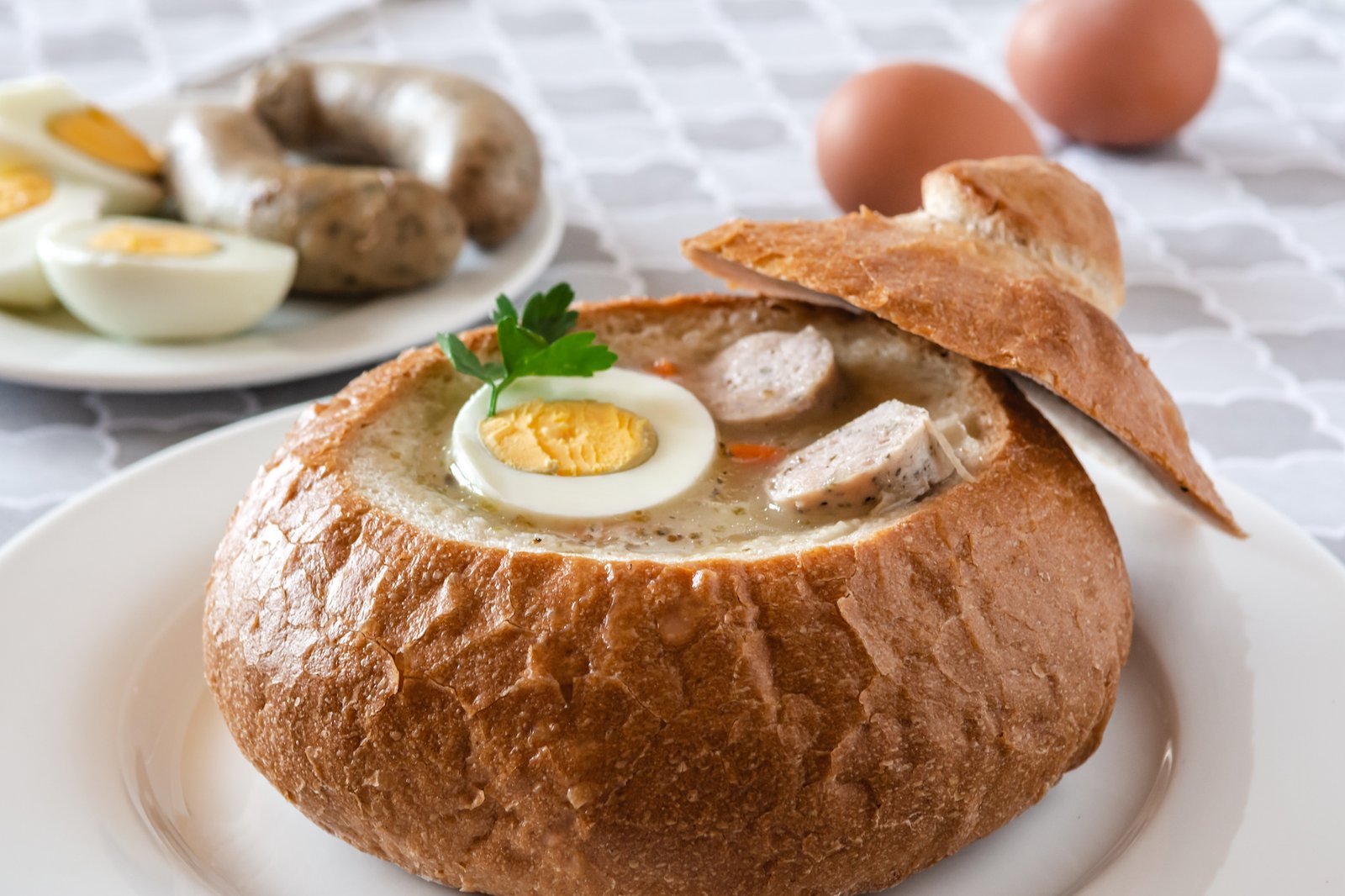
Poles cherish clear broths like rosół (chicken soup with noodles) for comfort, or bold ones like żurek (sour rye soup with sausage and egg). These soups use simple bases but layer flavors with herbs, souring agents, and veggies. A steaming bowl on a chilly day feels like a warm hug from the inside.
3. Pierogi – The Ultimate Dumpling
Pierogi stand as Poland’s most iconic food—boiled or fried dumplings filled with endless possibilities.
Common fillings include potato and cheese (pierogi ruskie), meat, sauerkraut with mushrooms, or sweet versions like blueberries. Topped with fried onions, sour cream, or bacon bits, they turn humble ingredients into something special. Making them is a family affair; I once spent hours folding hundreds for a holiday, laughing over lumpy ones that still tasted amazing.
4. Fermentation and Pickling Mastery
Pickling preserves summer’s bounty for winter, creating tangy flavors that brighten heavy dishes.
Sauerkraut (kapusta kiszona), pickled cucumbers, and beets feature everywhere—from bigos stew to side salads. This technique, born from necessity, adds probiotics and zing. No Polish meal feels complete without that sharp crunch cutting through richness.
5. Potatoes in Every Form
Potatoes arrived late but became indispensable, starring in mains, sides, and snacks.
Boiled, mashed, fried as placki ziemniaczane (potato pancakes), or stuffed in pierogi—Poles love them. Crispy pancakes with sour cream and applesauce make a perfect weekend breakfast. Their versatility reflects how Poles adapted New World crops into old traditions.
6. Mushrooms from Forest Foraging
Wild mushrooms add earthy depth, foraged in forests and dried or pickled for year-round use.
Dishes like zupa grzybowa (mushroom soup) or pierogi z grzybami highlight them. Porcini, chanterelles, and boletes bring umami that elevates simple recipes. Foraging trips are a cherished pastime—my Polish friends swear the best ones hide under pine needles.
7. Sour Cream and Dairy Richness
Sour cream (śmietana) drizzles over everything, adding creamy tang and smoothness.
It tops soups, pierogi, pancakes, and salads like mizeria (cucumber in sour cream). This staple softens bold flavors and provides calories for cold weather. It’s lighter than heavy cream but packs the same comfort punch.
8. Bread as a Foundation
Fresh bread accompanies every meal, often sourdough rye or wheat loaves with crusty exteriors.
It’s used for open sandwiches (kanapki) at breakfast or supper, smeared with butter, cheese, or cold cuts. Baking bread at home remains common, filling kitchens with that irresistible aroma.
9. Cabbage in All Its Glory
Cabbage appears fresh, fermented, or stuffed, providing bulk and nutrition.
Gołąbki (cabbage rolls filled with meat and rice) simmer in tomato sauce, while sauerkraut stars in bigos. This humble vegetable adapts to sweet-sour or hearty profiles, showcasing Polish ingenuity.
10. Bigos – The Hunter’s Stew
Bigos, a slow-cooked mix of sauerkraut, fresh cabbage, meats, mushrooms, and prunes, embodies Polish soul food.
Often called “hunter’s stew,” it improves over days as flavors meld. Served with bread, it’s ideal for gatherings. The phrase “the more meat, the better” applies here—it’s a dish that tells stories around the pot.
11. Sweet Endings with Fruit and Pastries
Desserts balance savory heaviness with fruit-based treats and fried dough.
Pączki (filled doughnuts), especially rose jam ones on Fat Thursday, or szarlotka (apple pie) show French and local influences. Makowiec (poppy seed cake) or sernik (cheesecake) round out feasts. These sweets bring joy after hearty mains.
Comparison of Key Polish Soups
| Soup | Base | Key Flavors | Typical Add-ins | Best For |
|---|---|---|---|---|
| Rosół | Chicken broth | Clear, mild | Noodles, carrots, parsley | Comfort, recovery |
| Żurek | Fermented rye | Sour, tangy | Sausage, egg, horseradish | Easter, bold meals |
| Barszcz | Beetroot | Earthy, slightly sour | Uszka (mushroom dumplings) | Christmas Eve |
| Zupa Ogórkowa | Pickled cucumbers | Bright, dill-forward | Potatoes, carrots, cream | Summer refresh |
| Zupa Grzybowa | Dried mushrooms | Deep umami | Noodles or barley | Autumn foraging |
Pros and Cons of Polish Cuisine
Pros
- Extremely satisfying and filling—perfect for cold climates.
- Nutrient-dense with fermented foods for gut health.
- Versatile ingredients create endless variations.
- Strong family and communal aspect in preparation and eating.
- Affordable, using seasonal and preserved items.
Cons
- Can feel heavy with fats and carbs—not ideal for light diets.
- Limited spice variety compared to Asian or Indian cuisines.
- Some dishes (like tripe soup) challenge adventurous eaters.
- High meat reliance may not suit vegetarians (though adaptations exist).
People Also Ask (PAA)
What is traditional Polish food?
Traditional Polish food features hearty, comforting dishes like pierogi, bigos, żurek soup, kotlet schabowy, and pickled vegetables. It relies on pork, potatoes, cabbage, mushrooms, and sour cream, shaped by historical resourcefulness.
What are the main ingredients in Polish cuisine?
Core ingredients include pork and sausages, potatoes, cabbage (fresh and sauerkraut), beets, mushrooms, sour cream, rye bread, dill, marjoram, and fermented items like pickles.
Is Polish food spicy?
Polish food isn’t typically “hot” spicy but uses bold seasonings like horseradish, mustard, pepper, and juniper for depth. It’s more tangy, sour, and savory than fiery.
What is the most famous Polish dish?
Pierogi top the list as Poland’s most recognized dish worldwide, followed closely by bigos and kiełbasa.
What do Polish people eat for breakfast?
Breakfast often includes bread with butter, cheese, ham, or sausage, plus eggs, yogurt, or cereal. Coffee or tea pairs with it—simple and quick.
FAQ
What makes Polish cuisine unique compared to other European foods?
Its blend of hearty meats with fermented, sour elements sets it apart. Unlike lighter Mediterranean styles or spice-heavy Eastern ones, Polish food prioritizes preservation, seasonality, and comfort through cream, pickles, and mushrooms.
Can I find vegetarian options in traditional Polish cuisine?
Yes—pierogi with potato-cheese or mushroom fillings, placki ziemniaczane, naleśniki (crepes) with cheese or fruit, and vegetable soups offer plenty. Modern spots adapt classics easily.
How has Polish cuisine evolved over time?
From medieval spicy-sweet dishes influenced by trade to simpler, local-focused fare post-partitions and wars, it adapted to hardships while keeping core elements like pickling and soups.
Where can I try authentic Polish food outside Poland?
Polish delis, restaurants in cities with large diaspora communities (Chicago, New York, London), or home-cooked meals via friends. Look for places using traditional recipes and fresh ingredients.
Is Polish food healthy?
It offers balance—fermented foods aid digestion, veggies provide vitamins—but portions and fats suit active lifestyles or cold weather more than everyday light eating.
Polish cuisine tells a story of endurance and warmth. Next time you bite into a pierogi or sip żurek, remember it’s more than food—it’s heritage on a plate. Smacznego! (Enjoy your meal!)