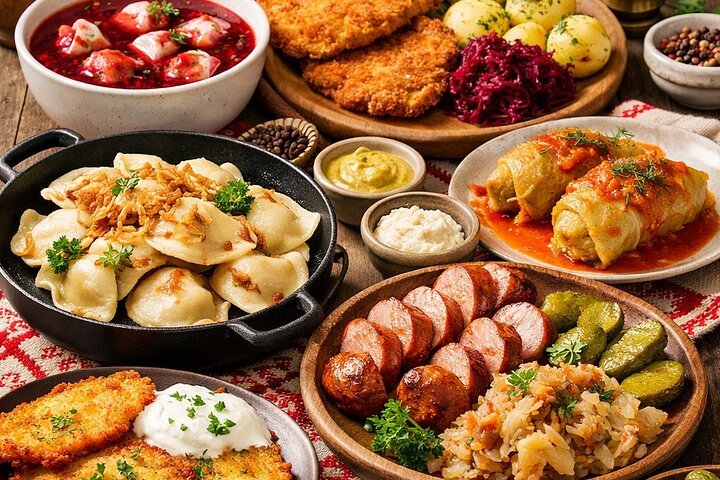
If you’ve ever wondered what makes Polish food so comforting and unforgettable, it’s the way it wraps you in warmth—like a hug from a grandmother who insists you eat seconds. Growing up hearing stories from friends who traveled to Poland, or tasting my first pierogi at a family gathering thrown by Polish neighbors, I realized this cuisine isn’t just about filling your belly; it’s about history, seasons, and simple ingredients turned into something magical. Poland’s food draws from its rural roots, harsh winters, and influences from neighbors over centuries, resulting in hearty, sour, meaty, and often pickled dishes that stick with you long after the plate is clean.
Poland’s cuisine emphasizes pork, potatoes, cabbage, beets, mushrooms, and dairy, with fermentation playing a starring role for that signature tangy edge. Whether you’re in Warsaw’s bustling milk bars (bar mleczny) or a countryside inn, the flavors feel timeless. Let’s dive into the must-try dishes that capture the essence of traditional Polish eating.
The Heart of Polish Cuisine: Key Ingredients and Characteristics
Polish food is built on seasonal, local produce and preservation techniques born from long winters. Think sour flavors from fermentation, rich broths, and generous use of herbs like dill and marjoram.
These elements create balance—heavy meats offset by bright pickles or sour cream. It’s not fancy, but it’s honest and satisfying.
Pierogi: Poland’s Most Famous Dumpling
Pierogi are those half-moon pockets of dough stuffed with just about anything, boiled (or sometimes fried) and served with toppings like fried onions or sour cream. They’re the undisputed star of Polish tables, appearing at holidays, family dinners, and even street stalls.
No trip to Poland feels complete without them. I once spent an afternoon in Kraków making pierogi with a local family—the dough rolling, filling debates, and laughter made the meal taste even better.
- Ruskie pierogi — Potato and farmer’s cheese (twaróg), often with onions; creamy and comforting.
- Z mięsem — Minced meat, usually pork or beef, hearty and savory.
- Z kapustą i grzybami — Sauerkraut and mushrooms, a classic meatless option.
- Z jagodami — Sweet blueberry version, dusted with sugar for dessert.
Pros of pierogi: Versatile, portable, and crowd-pleasing.
Cons: Can be heavy if overeaten—pace yourself!
Żurek: The Sour Rye Soup That’s a Winter Staple
Żurek is a fermented rye soup that’s tangy, garlicky, and often served in a bread bowl with sausage and egg. The sourness comes from a starter (zakwas) left to ferment, giving it a unique depth.
It’s especially popular around Easter, but you’ll find it year-round in traditional spots. The first time I tried it in a small Polish village, the bread bowl soaked up the broth perfectly—pure comfort on a chilly day.
Served with white sausage (biała kiełbasa), horseradish, and sometimes potatoes, it’s a meal in itself.
Barszcz Czerwony: Vibrant Beet Soup
This clear red beet soup can be served hot or cold (chłodnik in summer). The Christmas Eve version is meatless, often with mushroom-filled uszka (tiny dumplings).
It’s refreshing yet earthy, with a slight sweetness from beets balanced by sour notes. Many Poles start holiday meals with it—it’s like liquid tradition.
Bigos: Hunter’s Stew for the Ages
Bigos, or hunter’s stew, simmers sauerkraut, fresh cabbage, various meats (pork, beef, game), sausages, mushrooms, and prunes for hours. Flavors deepen over days—many say it’s better reheated.
Legend says hunters threw in whatever they caught, hence the name. It’s Poland’s ultimate one-pot wonder, perfect for cold evenings.
Kotlet Schabowy: The Polish Pork Chop
Breaded pork loin cutlet, fried until golden, similar to schnitzel but often thicker and juicier. Served with mashed potatoes, cabbage, and cucumber salad (mizeria).
It’s everyday comfort food—think Polish version of Sunday dinner. Crispy outside, tender inside; hard to beat.
Gołąbki: Stuffed Cabbage Rolls
Cabbage leaves wrapped around rice and meat (usually pork/beef mix), baked in tomato sauce. “Gołąbki” means little pigeons, perhaps from their shape.
Soft, saucy, and nostalgic—many families have their own tweaks with added mushrooms or barley.
Kiełbasa: Sausage Varieties Worth Seeking
Kiełbasa just means sausage, but Poland has dozens: smoked, fresh, blood sausage (kaszanka), white sausage (biała). Grilled or in soups, they’re smoky and spiced with garlic, marjoram.
Try oscypek-smoked cheese alongside—smoky perfection from the mountains.
Placki Ziemniaczane: Crispy Potato Pancakes
Grated potatoes, onion, egg, flour—fried crispy. Served with sour cream or goulash-style meat topping.
Street food favorite; addictive when hot and crunchy.
Zapiekanka: Poland’s Street Food Pizza
Half baguette topped with mushrooms, cheese, sometimes meats, toasted and drizzled with ketchup/mayo.
Born in communist times as cheap eats; now gourmet versions exist. Late-night savior after drinks.
Pączki: Polish Doughnuts with a Twist
Yeast doughnuts filled with rose jam or custard, dusted with powdered sugar. Fat Thursday (Tłusty Czwartek) sees millions eaten.
Light, pillowy—not too sweet. Better than any chain doughnut.
Other Must-Tries: Pickles, Smalec, and More
- Ogórki kiszone — Naturally fermented pickles, crunchy and tangy; eat them straight or in soups.
- Smalec — Rendered lard with onions, cracklings, apples; spread on bread for rustic appetizer.
- Oscypek — Smoked sheep’s milk cheese from Podhale, grilled and served with cranberry jam.
Where to Try Authentic Polish Food in Poland
Milk bars (bar mleczny) offer cheap, traditional meals—think retro canteens like Milkbar Tomasza in Kraków or Bar Mleczny Prasowy in Warsaw.
For upscale twists, try Pod Aniołami in Kraków or folk restaurants in Zakopane for highlander specialties.
Street markets in Gdańsk or Poznań have fresh kiełbasa and pierogi stalls.
Comparison: Savory vs. Sweet Polish Classics
| Dish | Type | Key Flavors | Best Time to Eat | Where to Find |
|---|---|---|---|---|
| Pierogi ruskie | Savory | Creamy potato-cheese | Anytime | Restaurants, home |
| Bigos | Savory | Sour, meaty, smoky | Winter evenings | Traditional eateries |
| Pączki | Sweet | Yeasty, jammy | Fat Thursday | Bakeries |
| Żurek | Savory | Tangy, garlicky | Easter, cold days | Bread bowl spots |
| Placki ziemniaczane | Savory | Crispy, potato-forward | Lunch/snack | Street vendors |
Pros and Cons of Polish Cuisine for Travelers
Pros
- Hearty portions at affordable prices.
- Vegetarian options (pierogi, barszcz) despite meat focus.
- Fermented foods great for gut health.
- Regional variety (mountain vs. lowland).
Cons
- Heavy on pork; limited for strict vegetarians/vegans.
- Can be greasy or sour if you’re not used to it.
- Bread-heavy; watch carbs.
People Also Ask (PAA) Section
What is the most famous Polish food?
Pierogi top the list—versatile dumplings loved worldwide.
What do Polish people eat for breakfast?
Often open sandwiches (kanapki) with cheese, ham, or eggs; coffee or tea.
Is Polish food spicy?
Not really—more tangy and herby than hot.
What is a typical Polish dinner?
Soup first (like rosół or żurek), then main like kotlet schabowy with sides.
Is Polish cuisine healthy?
Mixed: Fermented items and veggies yes; fried meats less so in moderation.
FAQ: Quick Answers to Common Questions
What should first-time visitors try in Poland?
Start with pierogi (ruskie or meat), żurek, and kotlet schabowy—core flavors without overwhelming.
Are there vegetarian Polish dishes?
Yes—pierogi with cheese/potato, mushroom soups, placki ziemniaczane, and barszcz.
Where can I find the best pierogi in Poland?
Kraków’s Pierogarnia Krakowiacy or Warsaw’s milk bars; homemade at family-run spots.
What’s the difference between Polish and other Eastern European foods?
Polish leans heavier on sour fermentation and pork; similar to Ukrainian or Russian but with unique twists like żurek’s rye base.
Do Poles eat a lot of sweets?
Moderately—pączki on special days, makowiec (poppy seed cake) at holidays.
Polish cuisine rewards the adventurous eater with layers of flavor from humble ingredients. Next time you’re in Poland, skip the international chains and head to a local spot. Say “smacznego!” (bon appétit), dig in, and let the food tell Poland’s story—one bite at a time.